 0
0
 0
0
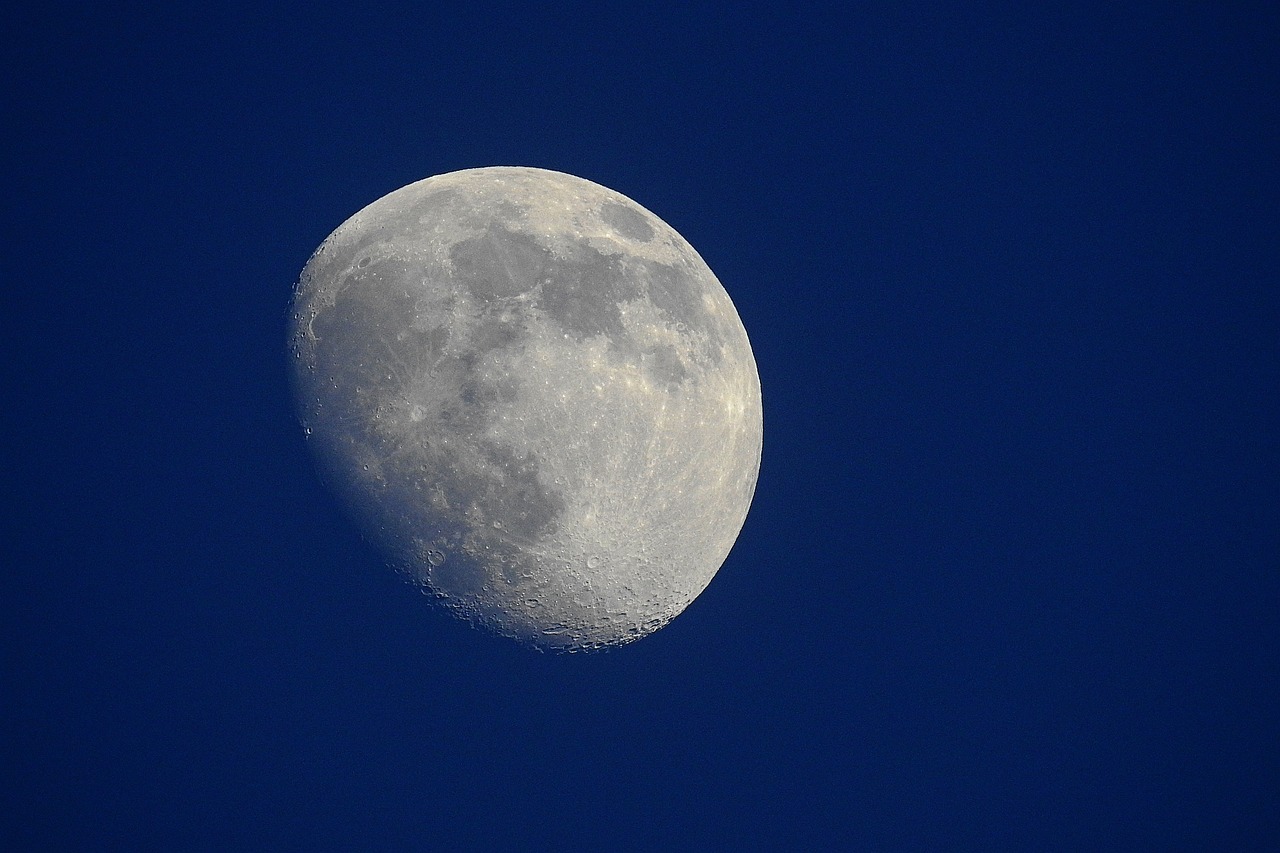
On Friday night, the last supermoon of the year will shine over Austria. The December full moon will once again come unusually close to Earth, offering a rare spectacle in the sky that will not return until December 2026.
Astronomy fans should look up tomorrow night. At 12:14 a.m. on December 5, the full moon will reach its closest position to Earth and once again appear as a supermoon, the third in a row after October and November. It will be worth taking a look at the moonrise tonight, provided the clouds cooperate.
Why the December moon is a supermoon
This time, the distance to Earth is 357,217 kilometers, which is just below the usual supermoon limit of 360,000 kilometers. Even though it is not quite as close as in November, the moon’s disk appears larger and significantly brighter. A supermoon always occurs when the full moon coincides with the so-called perigee, the point at which the moon is closest to Earth in its elliptical orbit. This is when the Earth is exactly between the sun and the moon.
What does “supermoon” actually mean?
There is no official astronomical definition, but standard calculations are based on the distance to Earth. At around 360,000 kilometers, it is commonly referred to as a supermoon. Due to its proximity, the moon appears larger and, according to NASA, can appear up to 30 percent brighter than an average full moon. Observers with telescopes will be treated to additional celestial cinema: Uranus will appear as a faint greenish disc. The Pleiades, also known as the “Seven Sisters,” will sparkle in the constellation Taurus. Jupiter will be slightly offset below the full moon and easily recognizable.
Next supermoon not until Christmas 2026
Those who miss this spectacle will need patience. After a supermoon-rich 2025, there will be only one in 2026, on December 24. Until then, the December full moon is the last chance to see a particularly bright moon close to Earth.
- source:5minuten.at/picture:pixabay.com



This post has already been read 21769 times!